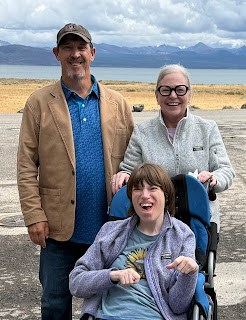
Their Story
Marianne’s 37-year-old daughter has Angelman syndrome, a neurodevelopmental disorder that causes severe intellectual and physical disabilities, along with epilepsy. She cannot walk, talk, or perform daily tasks independently, but she has a joyful, loving personality and enjoys swimming, music therapy, movies, Lexington Parks & Recreation activities, and spending time in her community.
Through Kentucky’s Medicaid Home and Community-Based Services (HCBS) Waiver, she receives community living support and personal care services that allow her to remain at home with her family instead of living in a nursing home or institution. These services cost approximately $40,000 each year—far less than the cost of institutional care.
As Marianne and her husband enter their 60s, they carry the same question that weighs on so many aging parents of adults with disabilities: Who will care for our daughter when we’re gone? They have spent years planning for her future, saving what they can and relying on HCBS waiver services to help ensure she can continue living in the community she loves.
Reductions in Medicaid reimbursement threaten the workforce that makes these services possible. Without stable, qualified caregivers, families like Marianne’s fear that institutional care may become the only remaining option.
For Marianne, this isn’t simply about funding. It’s about ensuring her daughter—and every Kentuckian with disabilities—has the opportunity to live with dignity, receive compassionate care, and remain part of the community she calls home.